Sunday, November 20, 2011

Monday, November 14, 2011
Exercise = Cardiovascular Health!
Exercise strengthens the
heart like any other muscle. When
the heart is stronger it can pump blood throughout the body much better. This is important as blood contains the
necessary oxygen, nutrients, and cells to keep our bodies alive & feeling
well. Exercise also produces eNOS
(endothelial nitric oxide) which helps the heart & blood vessels relax so
blood can flow easier.
Saturday, November 5, 2011
October PE Stars
These students were voted as the October stars of their class for showing excellence in the following categories:
* Work Ethic
* Focus
* Positive Attitude
* Sportsmanship
* Leadership
Great job!!!
3rd Grade Stars


4th Grade Stars



5th Grade Stars


6th Grade Stars


* Work Ethic
* Focus
* Positive Attitude
* Sportsmanship
* Leadership
Great job!!!
3rd Grade Stars


4th Grade Stars



5th Grade Stars


6th Grade Stars


Monday, October 24, 2011
Green Vegetables & Your Immune System
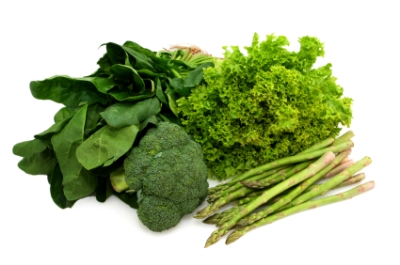
When we come in contact with a foreign invader (bacteria,
virus), it will almost always enter through the nose or mouth. From here, it’s going to end up in our
digestive tract. At this point, it
must battle our front line troops – immune cells and friendly bacteria that
line the walls of our GI tract.
The immune cells that protect us here are called lymphocytes. Lymphocytes attack pathogens and help
repair any damage done to the intestinal wall. The Babraham Institute in Cambridge, UK, suggests that green
vegetables could play a very important role in making sure these lymphocytes
are in shape and ready to respond to the foreign attack.
The researchers used mice to discover the effects green
vegetables (broccoli, kale, spinach, etc.) had on intestinal
lymphocytes. When the mice
regularly ingested green vegetables, they had lymphocytes that were plentiful
and powerful! They responded well
to any pathogenic invader. When
the mice were fed a synthetic diet without any green vegetables for 2-3 weeks,
70-80% of the lymphocytes disappeared.
That is an astounding discovery!
It appears that the phytonutrients in green vegetables signaled to a key
receptor in the body that kept lymphocytes going strong.
Source:
Ying Li, Silvia Innocentin, David R. Withers, Natalie A.
Roberts, Alec R. Gallagher, Elena F. Grigorieva, Christoph Wilhelm, Marc
Veldhoen Exogenous Stimuli Maintain Intraepithelial Lymphocytes via Aryl
Hydrocarbon Receptor Activation ell 2011 October
The Babraham Institute in Cambridge
The Babraham Institute in Cambridge
Raw Vegetables & Berries Change Heart Disease Risk

 The chromosome 9p21 is a gene that is often times a weak
spot in people with heart disease.
In the past, we thought that those who have the weak version of this
gene were automatically going to get heart disease. New breakthroughs in research are now proving that genes
like this are not set in stone. In
fact, they can be expressed differently when a person makes healthy lifestyle
choices.
The chromosome 9p21 is a gene that is often times a weak
spot in people with heart disease.
In the past, we thought that those who have the weak version of this
gene were automatically going to get heart disease. New breakthroughs in research are now proving that genes
like this are not set in stone. In
fact, they can be expressed differently when a person makes healthy lifestyle
choices.
Researchers from McGill University in Montreal, Quebec,
Canada, discovered that the 9p21 gene may be altered as a result of changes in
diet. After studying 27,243 people
of varying ethnicity, researchers concluded that there was significantly less
risk for heart disease amongst people who ate a diet rich in raw vegetables,
berries, and fruits. This tells us
that these foods are communicating to this gene in a positive way, influencing
it not to cause havoc to the cardiovascular system. If you know you have a history of heart disease in your
family, it might be a good idea to consider adding more raw vegetables,
berries, and fruits to your diet.
Pick a variety of these foods to improve your health!
Source:
Ron Do, Changchun Xie, Xiaohe Zhang, Satu Männistö, Kennet Harald,
Shofiqul Islam, Swneke D. Bailey, Sumathy Rangarajan, Matthew J. McQueen,
Rafael Diaz, Liu Lisheng, Xingyu Wang, Kaisa Silander, Leena Peltonen, Salim
Yusuf, Veikko Salomaa, James C. Enge. The Effect of Chromosome 9p21
Variants on Cardiovascular Disease May Be Modified by Dietary Intake: Evidence
from a Case/Control and a Prospective Study. PLoS Medicine 2011
October
Department of Human Genetics, McGill University, Montréal, Quebec, Canada.
Department of Human Genetics, McGill University, Montréal, Quebec, Canada.
Sunday, October 23, 2011
Monday, October 17, 2011
Subscribe to:
Posts (Atom)
